

Similar Posts
- Business | Financial Model For Startup | Financial Modeling | Financial Models | Growth Strategies | Startup Financial Model | Startup Pitch Deck | Startup Valuation | Startups | Venture Capital
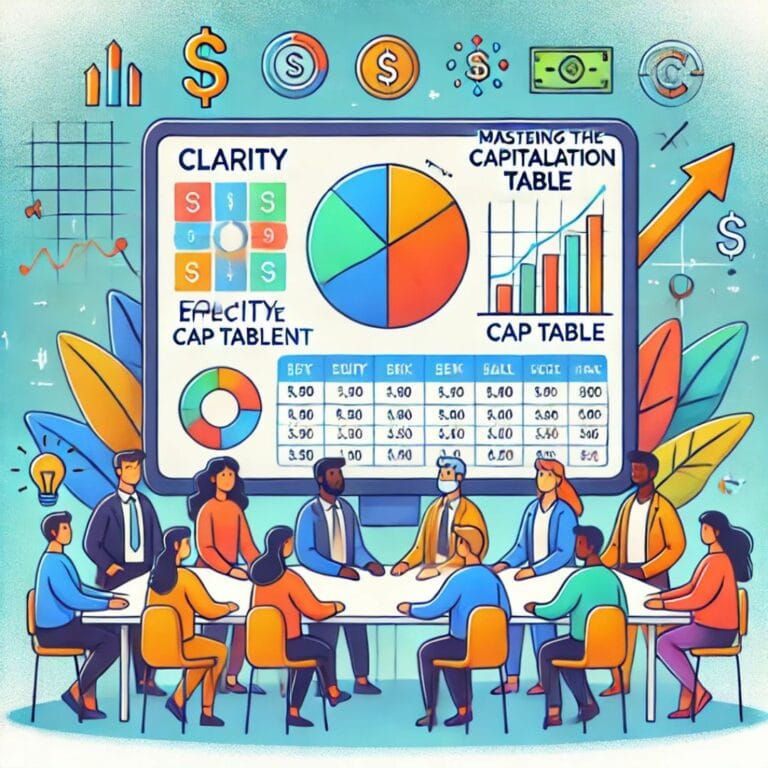
Mastering the Capitalization Table: Why Every Startup Needs to Prioritize Equity Management
Every startup founder must deal with the cap table in their entrepreneurship journey. Indeed it is very confusing to understand the purpose and more difficult to build it accurately. It outlines the ownership structure of…
- Finance Essential | Financial Model For Startup | Financial Modeling | Financial Models | Startup Financial Model | Startup Valuation | Startups
How to Build SaaS Financial Model Template
Building a SaaS financial model template is essential for understanding the economic health and growth potential of a SaaS startups. These excel based models are designed to provide detailed insights into key metrics, enabling founders…
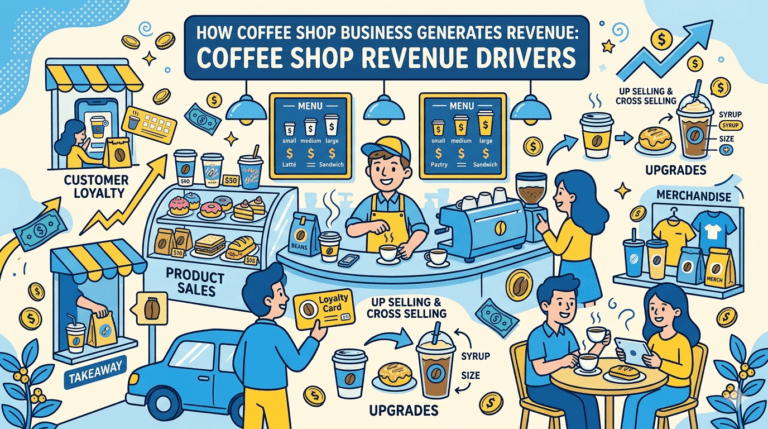
How Coffee Shop Business Generates Revenue: Coffee Shop Revenue Drivers
If you’re thinking about opening a coffee shop, the first question you’re really asking is: how does a coffee shop business generate revenue and can it generate enough to make this worth it? That’s a…
- Finance Essential | Financial Model For Startup | Financial Modeling | Financial Models | Startup Financial Model | Startup Valuation | Startups | Venture Capital
How to do Startup Valuation Using a Discounted Cash Flow Model (DCF Valuation)
Valuing a startup can be challenging, but the Discounted Cash Flow (DCF) model can provide a structured approach to determining its worth. The DCF method focuses on the future cash flows a business is expected…
Best BESS Financial Model Template Comparison Guide
If you need a standalone BESS Financial model with degradation, EFC, and price-arbitrage modeling, eFinancialModel’s BESS Financial Model is the most technically granular option. If you want a balance of depth and usability for a…
Top 10 B2C SaaS KPIs Investors Care About
🚀 Excel Business Resource provides financial modeling, FP&A, and business planning services for startups. With experience across 100+ companies, we transform complex financial data into compelling investment narratives. Why the Right Metrics Matter More Than…