
Hey there, ambitious startup founder! If you’re grinding through the early days of your venture, you know revenue forecasting isn’t just number-crunching—it’s the roadmap that secures funding, optimizes spending, and steers your ship through stormy markets. As a financial modeling consultant with over a decade of experience helping bootstrapped startups scale to multimillion-dollar exits, I’ve built countless Excel financial models for startups that turned vague ideas into investor-approved plans. Drawing from my hands-on work in startup advisory services, I can tell you: a well-crafted financial forecasting model is your secret weapon for sustainable growth.
In this guide, we’ll dive into 10 practical Excel hacks tailored for revenue forecasting in startups. These aren’t theoretical fluff—they’re battle-tested tips from my consultancy practice, where I’ve seen founders boost accuracy by 30% and close funding rounds faster. We’ll semantically weave in key concepts like building robust Excel financial model templates, leveraging financial model templates for startups, and when to call in financial modeling services for custom tweaks. Whether you’re in SaaS, e-commerce, or tech, these hacks will empower you to create dynamic financial forecasting models that evolve with your business.
Why trust this advice? My expertise stems from advising over 200 startups through startup consultancy services, where I’ve refined these methods to align with real-world volatility. Plus, I’ll share free Excel business resources to get you started, including downloadable industry-specific financial model templates for startups. If you need personalized help, our financial modeling consultants are here via startup advisory services—let’s turn your data into dollars.
Why Revenue Forecasting Matters for Startups (And Why Excel is Your Best Friend)
Revenue forecasting is the heartbeat of your startup’s financial planning. It projects future income based on variables like customer acquisition, pricing, and market shifts, helping you avoid cash crunches and spot growth opportunities. According to a CB Insights report, 38% of startup failures stem from running out of cash—solid financial forecasting models can prevent that. In my experience as a financial modeling consultant, I’ve seen founders use these models to raise $50M+ in venture capital by demonstrating clear paths to profitability.
Excel excels (pun intended) here due to its accessibility, versatility, and no-cost barrier for early-stage teams. Forget expensive software; an Excel financial model for startups lets you integrate functions like SUMIFS and VLOOKUP for real-time updates. For trustworthiness, always base your models on clean, historical data—garbage in, garbage out. If you’re starting from scratch, grab our free Excel financial model template, a ready-to-use financial model template for startup success in sectors like fintech or retail. Or, for bespoke solutions, our startup consultancy services offer expert financial modeling services to refine your approach.
Now, let’s unpack the hacks with step-by-step insights grounded in expertise.
Hack #1: Set Up a Modular Structure for Your Excel Financial Model
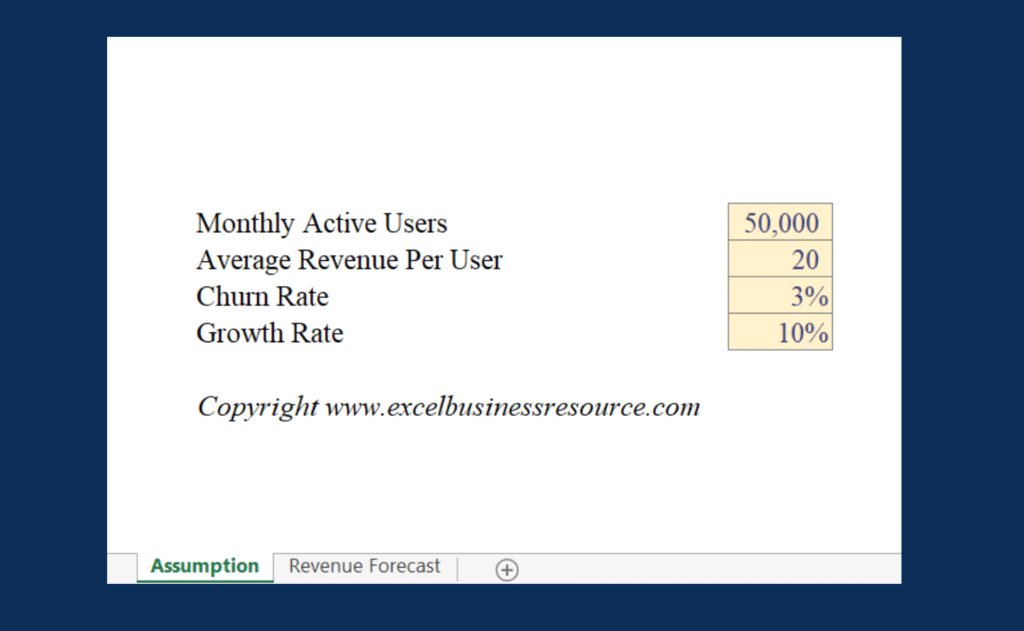
Organization is the cornerstone of any reliable financial forecasting model. Dumping everything into one sheet leads to errors and confusion—I’ve seen it derail pitches in my startup advisory services. Instead, build a modular Excel financial model for startups with dedicated tabs: Assumptions for inputs like monthly active users (MAU), average revenue per user (ARPU), churn rate, and growth rates; Revenue Drivers for breakdowns; Calculations for formulas; and Outputs for summaries.
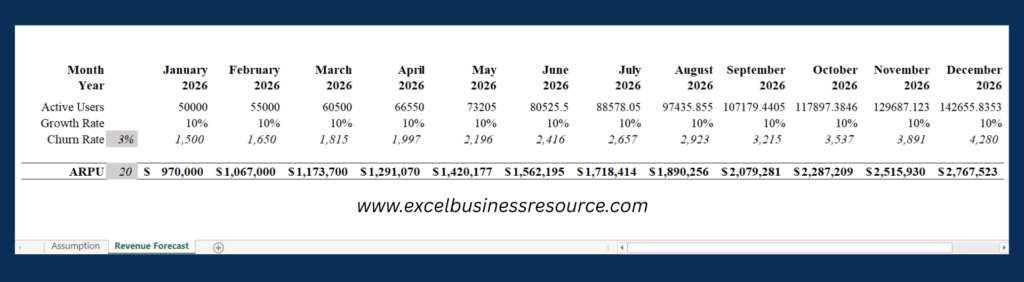
This setup ensures changes in assumptions ripple through automatically, creating a “living” model. For example, projected revenue might formulaically be MAU * ARPU * (1 – Churn). Pro tip from my expertise: Color-code—green for editable inputs, blue for locked calculations—to make it intuitive. Use data validation to enforce realistic ranges, like positive churn only. This founder-friendly design is pitch-perfect; investors can tweak variables without breaking things, building trust in your projections.
Hack #2: Use Historical Data with TREND and FORECAST Functions
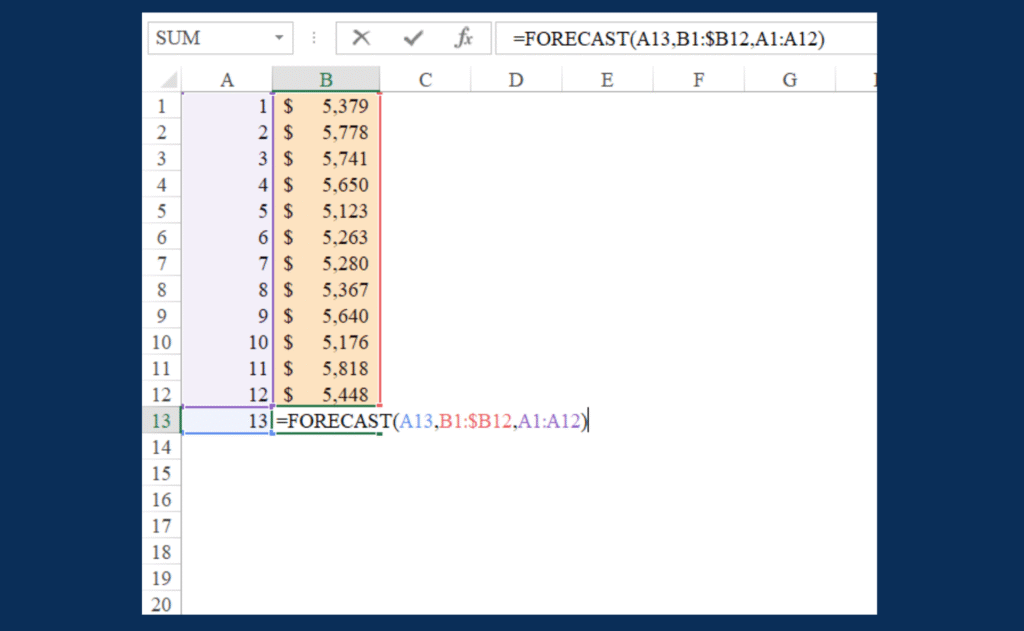
Leveraging historical data with Excel’s TREND and FORECAST functions is a vital tool for startup founders looking to build a solid foundation for their financial forecasting models. The importance of this hack lies in its ability to turn your past performance—however brief—into a reliable predictor of future revenue, giving you a data-backed edge in planning and pitching. Even a few months of data can reveal patterns that help you anticipate growth, making it especially valuable for startups with limited history.
These functions shine by offering simple yet powerful linear projections. They let you take past revenue figures and extend them into the future, like predicting next month’s earnings or mapping out a full year. For instance, if you’ve seen seasonal spikes—say, holiday surges in e-commerce—using this method can help you adjust for marketing spend and stock levels ahead of time. In my own startup journey, I relied on this to nail down holiday revenue forecasts, which boosted our cash flow planning and impressed investors with a clear growth trajectory.
The real benefit for founders is the confidence it brings. Pairing these projections with visual charts creates that eye-catching hockey-stick curve, making your Excel financial model for startups pitch-ready. Just ensure your data is clean—ditching duplicates or using Power Query—to avoid skewed results. This hack turns raw numbers into a strategic roadmap, helping you grow smarter and stay ahead.

Hack #3: Build Scenario Analysis with Data Tables
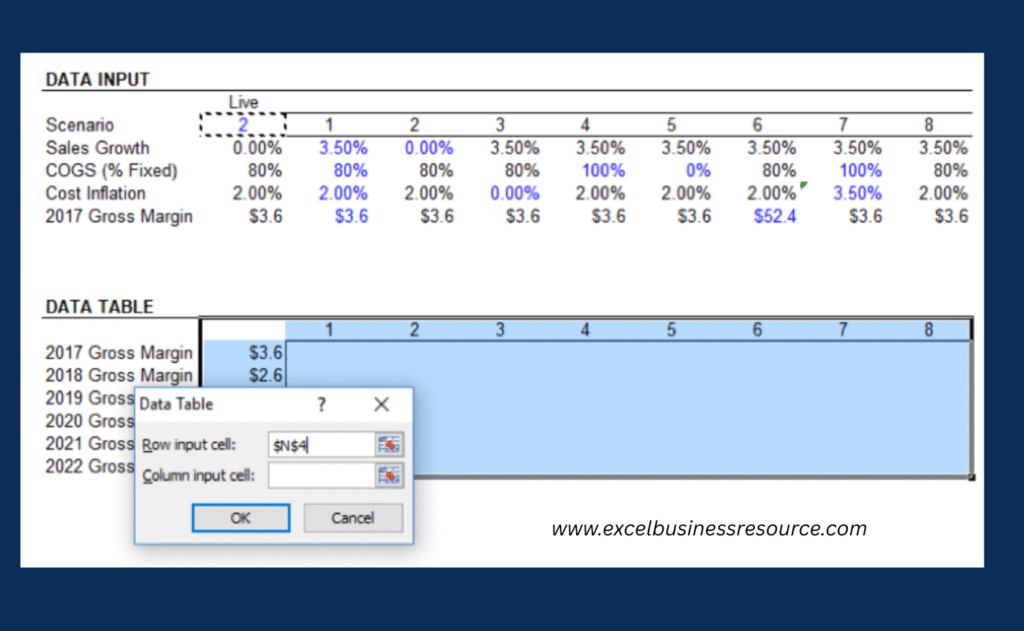
Uncertainty is a startup constant, so single-path forecasts fall short. Scenario analysis via Excel’s What-If Data Tables lets you model best-, base-, and worst-case outcomes in your financial forecasting models. Set up variables like growth rates (5-15%) and watch revenue projections adjust instantly.
This authoritative approach, honed in my financial modeling services, quantifies risks—e.g., “What if churn doubles?” It’s essential for resilient planning. In one client case through our startup consultancy services, this revealed a vulnerability, prompting a pivot that saved 25% on costs. Download our free Excel financial model template to try it; it’s a staple for startup success.
Hack #4: Incorporate Cohort Analysis for Subscription Models
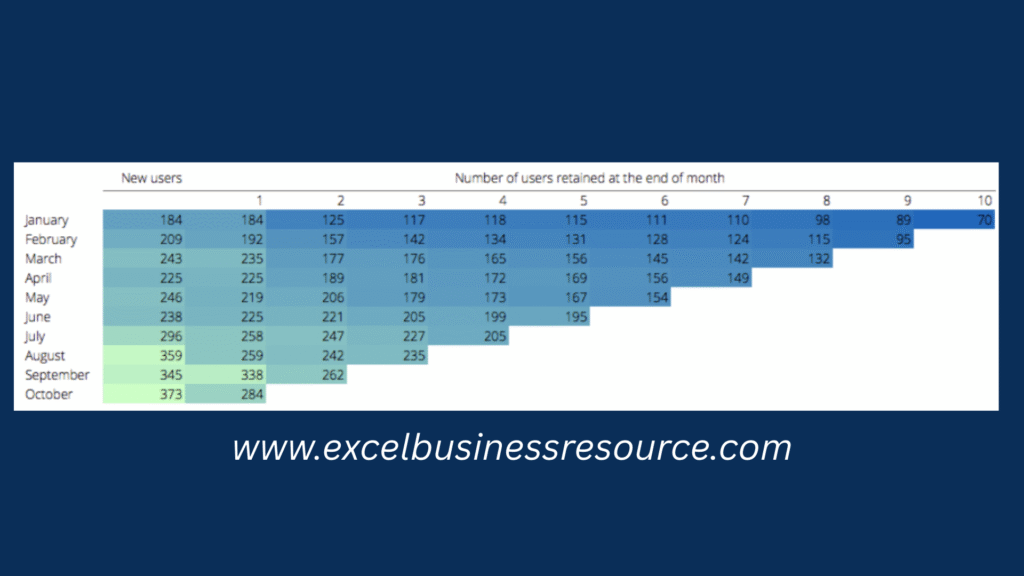
Cohort analysis is a game-changer for SaaS or subscription-based startups because it gives you a deep, actionable understanding of how your customers behave over time. Instead of looking at your revenue as one big number, it breaks your customer base into groups—called cohorts—based on when they first signed up, like January 2025 or February 2025. By tracking these groups month by month, you can see how their engagement, spending, and loyalty evolve.
The importance lies in its ability to reveal retention patterns that might otherwise stay hidden. For example, if you notice that customers from a certain month start dropping off sharply by the third month, it’s a red flag that something’s off—maybe the product isn’t meeting expectations, or your onboarding process needs a tweak. Spotting this early lets you adjust your strategies, like improving customer support or adding features, to keep those customers longer. In my own experience, I used this insight to identify a product flaw that was driving churn, and after fixing it, we boosted retention by 20%—a huge win for revenue stability.
For financial forecasting, this is gold. Knowing how long customers stick around and how their spending changes helps you make smarter predictions about future revenue, especially for metrics like Average Revenue Per User (ARPU). It also builds confidence with investors, who love seeing evidence of a loyal customer base. Essentially, cohort analysis turns raw data into a roadmap for growing your startup sustainably. Our free financial model template for startup includes pre-built grids—perfect for Excel financial models in subscription businesses.
Hack #5: Leverage PivotTables for Driver Breakdown
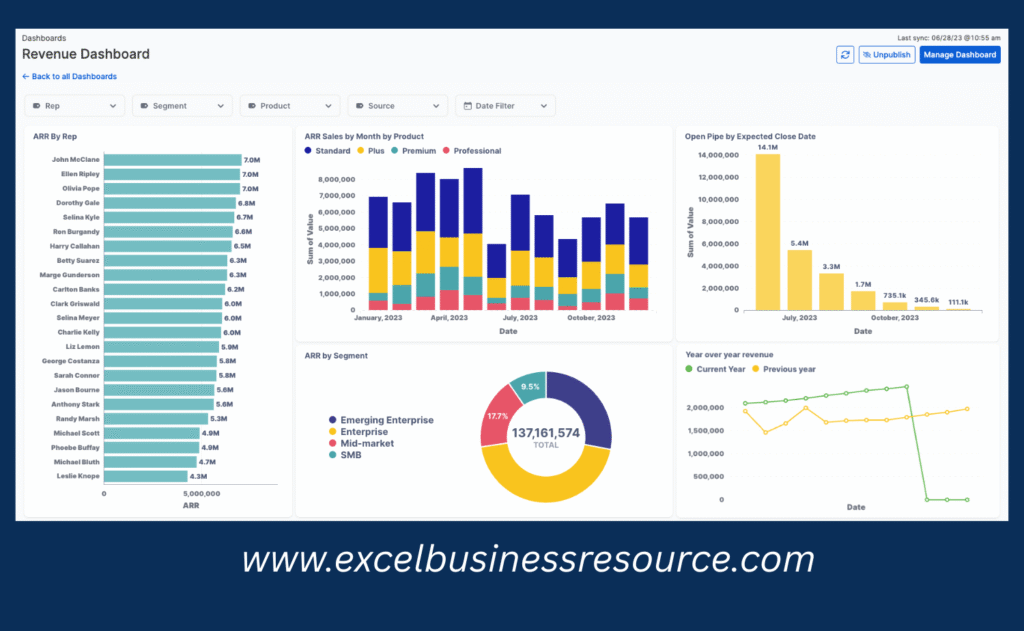
PivotTables are a secret weapon for startup founders looking to supercharge their financial forecasting models, especially when breaking down revenue drivers like product lines or marketing channels. Their real value lies in turning a messy pile of data into clear, actionable insights that can guide your business decisions. By organizing your revenue data—say, from sales across different products or campaigns—you can quickly see which areas are pulling their weight and which need a boost.
The beauty of this approach is its ability to highlight top performers. For instance, if you discover that email marketing is driving 40% of your revenue, you can double down on that channel, allocating more budget or resources to fuel growth. This insight is crucial for refining your financial forecasting model, ensuring your projections reflect where the money’s really coming from. Plus, it’s a dynamic tool—during team reviews, you can slice and dice the data on the fly, exploring trends by month, region, or product, which keeps everyone engaged and aligned.
For investors or your own planning, this clarity builds confidence. Knowing your strongest revenue drivers lets you forecast more accurately and adjust strategies in real-time, giving your startup a competitive edge. It’s less about the numbers and more about the story they tell—helping you focus on what works and grow smarter.
Hack #6: Automate Sensitivity Analysis with Sliders
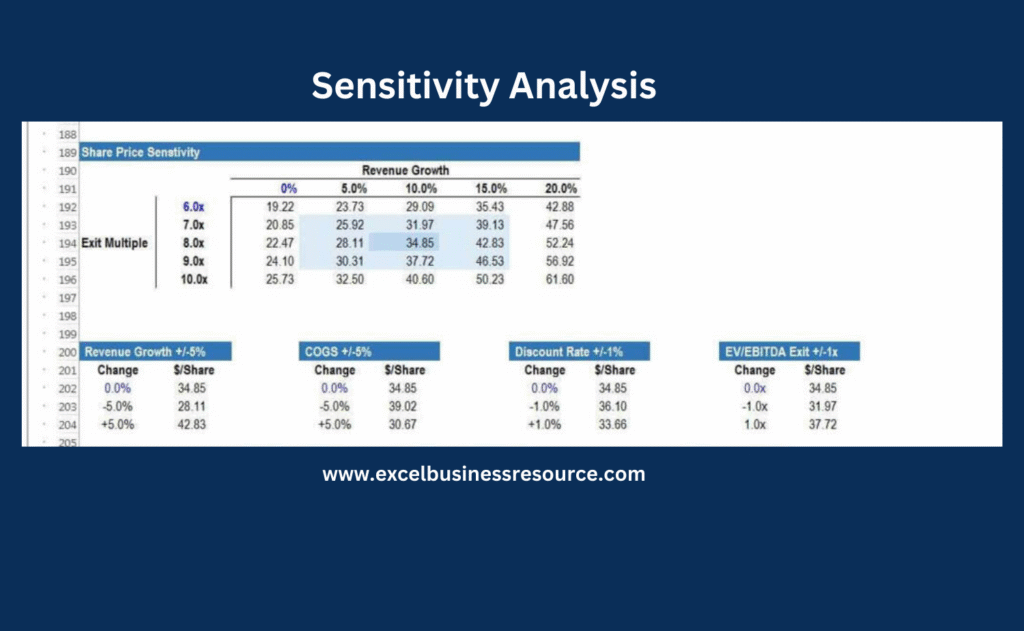
Interactivity elevates your Excel financial model for startups. Add form controls like sliders (Developer tab) linked to assumptions—e.g., slide pricing from $10-$50 and see revenue shift live.
This hack’s importance? It simulates “what-ifs” dynamically, fostering better decisions. In my expertise as a financial modeling consultant, I’ve used it in pitches to show a 10% price hike adding $200K yearly. It’s trustworthy for stress-testing, and our startup advisory services often customize these for clients.
Hack #7: Integrate Monte Carlo Simulations for Risk Assessment
Monte Carlo simulations are a powerful tool for startup founders navigating the unpredictable waters of volatile markets, and their importance can’t be overstated when it comes to risk assessment in financial forecasting models. This advanced technique uses randomness to mimic real-world uncertainties—think fluctuating customer demand or shifting economic conditions—giving you a range of possible outcomes rather than a single, shaky prediction. For a startup, where surprises are the norm, this helps you prepare for the best and brace for the worst.
The real value lies in its ability to quantify risks in a way that’s easy to grasp. By running thousands of scenarios, you can see the likelihood of hitting key milestones—like a 70% chance of exceeding $500K in revenue—which is invaluable for setting realistic goals and pitching to investors. It also highlights potential pitfalls, letting you adjust assumptions or build buffers into your financial model template for startup. In my own journey, using this method revealed a hidden risk in our cash flow projections, prompting us to secure extra funding early and avoid a crunch.
For founders, this isn’t just about numbers—it’s about peace of mind and strategic planning. It empowers you to stress-test your business plan, ensuring you’re not blindsided by volatility. If this feels daunting, our startup advisory services can weave Monte Carlo simulations into custom financial modeling services tailored to your needs—just reach out, and let’s build a resilient model together!
Hack #8: Visualize with Dynamic Dashboards
Dynamic dashboards are a game-changer for startup founders who want to bring their financial forecasting models to life, moving beyond the overwhelm of endless rows of numbers. Their importance lies in making complex data visually accessible and actionable, turning your Excel financial model for startups into a compelling storytelling tool. By creating interactive visuals, you can quickly spot trends, compare scenarios, and share insights with your team or investors in a way that’s both engaging and easy to digest.
The real power comes from their interactivity and flexibility. With features like slicers and timelines, you can filter data by date or scenario on the fly—say, comparing best-case and worst-case revenue projections for the next quarter. This helps you identify what’s driving growth or where adjustments are needed, like doubling down on a high-performing channel. Sparklines add a neat touch, showing mini-trends right in your cells, which is perfect for spotting quick patterns without digging through charts. In my experience, presenting a dashboard during a pitch made our financial projections stand out, landing us crucial feedback from investors.
For founders, this visual hack is a time-saver and a confidence booster. It’s pitch-ready, easy to export as a PDF or share via OneDrive, and it ensures everyone—whether tech-savvy or not—can grasp your startup’s financial story at a glance.
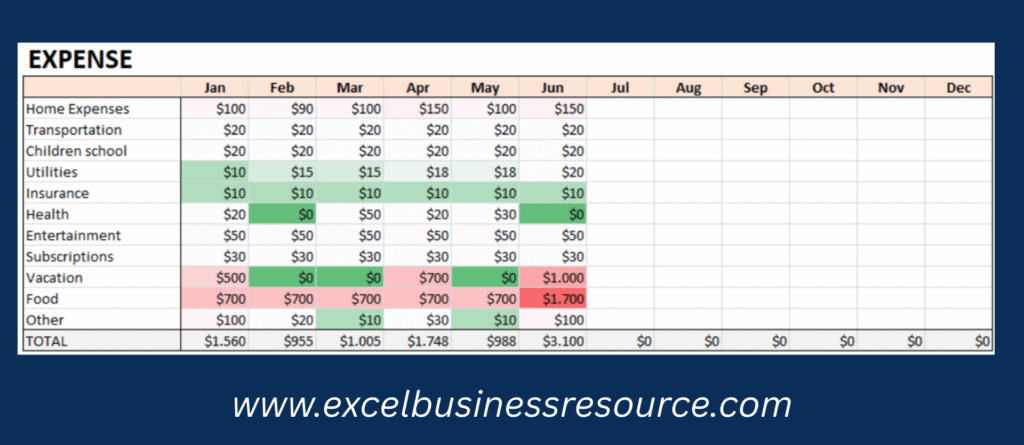
Hack #9: Error-Proof with Conditional Formatting and Validation
Error-proofing your financial forecasting models with conditional formatting and validation is a must for startup founders who want to avoid costly missteps and keep their Excel financial model for startups reliable. The importance of this hack lies in its ability to catch mistakes early and maintain data integrity, which is critical when your forecasts guide major decisions like hiring, fundraising, or budgeting. A single error—like a negative revenue figure—can throw off your entire plan, and investors are quick to spot these red flags.
Conditional formatting brings a visual layer of safety by highlighting issues as they happen. For example, setting it to turn cells red when revenue drops below zero instantly alerts you to potential problems, like misentered data or unrealistic assumptions. This proactive check ensures your model stays accurate and trustworthy. Meanwhile, custom validation adds a user-friendly guardrail, such as preventing an Average Revenue Per User (ARPU) from being zero or negative with a friendly nudge like “Hey, revenue can’t be free forever!”—keeping your team on track without frustration.
For founders, this dual approach saves time, reduces stress, and builds confidence in your financial forecasting model. It’s a simple yet powerful way to present a polished, error-free plan to stakeholders, ensuring your startup’s numbers always tell the right story.
Hack #10: Scale with External Data and Power Query
Scaling your financial forecasting models with external data and Power Query is a game-changer for growing startups, offering a way to keep your Excel financial model for startups dynamic and data-driven. The importance of this hack lies in its ability to bring real-world insights—like market benchmarks or CRM data—directly into your forecasts, saving you from the tedious task of manual updates. As your startup expands, relying on static numbers can lead to outdated projections, but integrating fresh data ensures your model reflects the latest trends and customer behaviors.
Power Query makes this seamless by letting you pull information from sources like CSVs or websites, transforming it to fit your needs, and linking it to your revenue forecasts. For example, importing sales data from your CRM can reveal how customer acquisition impacts revenue, allowing you to adjust your financial forecasting model with confidence. In my own startup, using this method to pull in market trends helped us spot a competitor’s pricing shift early, giving us a strategic edge.
For founders, this hack is about staying agile and informed. It eliminates manual errors, saves hours, and keeps your model aligned with reality—perfect for pitching to investors or planning your next growth phase.
Final Thoughts: Elevate Your Startup with Expert Financial Modeling
These 10 hacks transform your Excel financial model for startups into a powerhouse for revenue forecasting. From modular structures to advanced simulations, they’ve helped my clients in startup consultancy services achieve precise, scalable growth. Remember, expertise builds over time—start simple, iterate, and trust the process.
Ready to level up? Download our free industry-specific financial model templates for startups, plug-and-play for quick wins. For tailored excellence, hire our financial modeling consultants through startup advisory services, we deliver custom financial modeling services that align with your vision.