
Padel sport is booming throughout Latin America, Europe and the Middle East and is now crossing over to North America and Asia. The revenue opportunity for entrepreneurs, investors, and club managers is obvious, but it could be in huge loss making business, if not employ sustainable revenue model.
Although court bookings provide the healthy baseline revenue, but seasonal variations, demand of peak-hours vs non-peak hours,& low occupancy level court could destroy the net profit of the padel business. Therefore padel club business needs to apply multiple interconnect revenue streams. These diversification protects your bottom line against off-peak slumps, bad weather, and seasonal variations while maximizing the average customer lifetime value.
Whether you are building a pitch deck for investors or mapping out revenue projections of padel, here is a detailed, real-world breakdown of how padel courts actually make money, with complete industry benchmarks and percentage breakdowns.
Padel Club Revenue Breakdown at a Glance
| Revenue Stream | Typical Share (%) | Margin Level | Financial Role |
|---|---|---|---|
|
Court Rentals |
60% – 70% |
Medium |
Core recurring baseline revenue |
|
Memberships & Passes |
10% – 15% |
High |
Predictable monthly cash flow |
|
Coaching & Academies |
10% – 12% |
High |
Drives player retention & skill progression |
|
Food & Beverage (F&B) |
5% – 10% |
Low-Medium |
Increases average spend per visit |
|
Pro Shop & Rentals |
5% – 8% |
Very High |
Immediate high-margin equipment monetization |
|
Sponsorships & Events |
3% – 5% |
Very High |
High-density court usage & passive branding |
A Padel Club’s revenue primary drivers include Court Rentals (60-70% of total revenue), Memberships & Subscriptions (10-15%), Coaching & Academies (10%), Food & Beverage / Cafe Services (5-10%), and Pro Shop & Equipment Sales/Rentals (5%).

1. Court Rentals (60% – 70% of Gross Revenue)
In padel, the court rentals are the oxygen that keeps any facility alive. Players pay an hourly rate to reserve one of the courts creating a constant cash flow that fuels the bottom line of any operator. Almost all of your top-line revenues derive from this key line item.
Despite that, there is still untapped value in how the hourly rates are priced. The best-run clubs take inspiration from the airline or hotel industries and practice dynamic yield management for their court inventory. Here is how you can create incremental revenues from this key line item
How to Maximize Rental Yields:
1. Dynamic Peak vs. Off-Peak Pricing:
As you know, demand varies significantly throughout the week. Peak play hours are in the evenings from 5:00PM until closing at 11:00PM on weekdays with all-day availability on weekends. You should apply a dynamic pricing model where you can charge premium rates during peak demand. Off-peak rental rates (weekday mornings from 8:00AM-4:00PM) should be discounted to attract budget-conscious players, students, or seniors.
2. Indoor vs. Outdoor Yield:
While outdoor pads have a significantly lower installation cost, they are exposed to inclement weather creating natural cash flow volatility. Your indoor courts should sport higher rental rates (20%-30% premium) to offset the higher overhead costs while ensuring year-round 365-day availability.
Key Point: When building your revenue forecast, aim for a conservative overall court utilization rate of 45% to 55% across total operating hours, while targeting 65% to 80% occupancy during prime-time slots.
2. Memberships & Monthly Passes (10% – 15% of Gross Revenue)
While casual pay-and-play guests are an important source of revenue, members provide the financial stability. A good membership program can actually help to diversify your income and provide you with a steady stream of cash in the form of Monthly Recurring Revenue (MRR) that will keep coming in regardless of the current season or any unforeseen closures.
How to create great membership plans
Priority booking windows
Many Padel players are time-constrained so they will gladly pay extra to ensure they get a court when they want it. You can capitalize on this by offering priority booking windows for your members (e.g. members can book courts 14 days in advance while the general public can only book 7 days in advance). This requires no additional investment on your part but is a fantastic incentive for those that pay for a membership.
Variety of subscription plans
You should have a variety of plan types for different types of members. For example, an off peak unlimited play plan is great for retirees, students and people that work from home while a corporate plan may appeal to local businesses that want to offer their staff the use of a Padel court. You could also have VIP packages for serious players that really want to get into the sport.
Additional benefits & discounts
Make sure to offer membership-exclusive benefits such as free racket rentals, discounted tournament fees and member only mixers.
3. Coaching, Academies, and Events (10% – 12% of Gross Revenue)
Padel is super easy to learn but hard to master. As new players cut their teeth on the sport, they quickly seek out structured guidance to hone their skills. Structured coaching programs transform casual dabblers into core community players who book courts multiple times each week.
Monetization Ideas For Coaching & Events
- Private & Semi-Private Lessons Most facilities use a revenue-sharing model with their certified resident pros (or a set fee for the use of a court by independent instructors) typically 70/30 or 80/20 splits in favor of the coach.
- Group Clinics & Junior Academies Group clinics are pure revenue generators. Charging 4-6 players per hour is much more lucrative than an hourly court rental fee.
- Corporate Outings & Weekend Tournaments Blocking out courts for weekend round-robins, amateur leagues or corporate outings creates huge cash spikes while branding your facility to hundreds of potential long-term members.
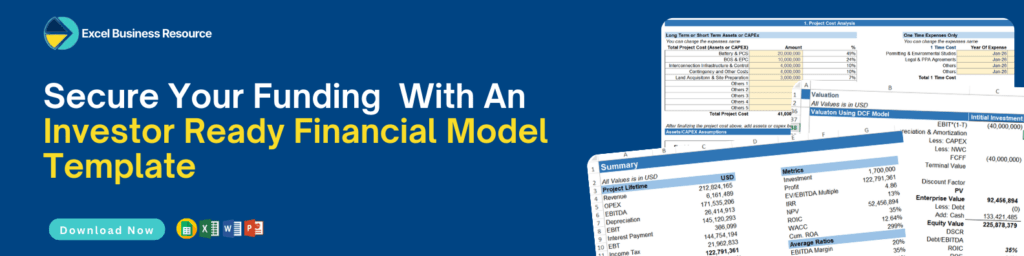
4. Food & Beverage (F&B) & Social Lounge (5% – 10% of Gross Revenue)
Unlike traditional tennis players who pack up and leave after the match, padel players will often stay and chat during and after the game and have a drink together.
If you don’t have a welcoming social lounge or café, you are missing out on massive revenue opportunities every single evening.
Low-Overhead F&B Strategies:
- High Margin Grab-and-Go: You don’t need a full-blown commercial kitchen to run a highly profitable F&B operation. All it takes is a clean and modern espresso bar with cold-pressed juices, protein shakes, sports drinks, and snacks. You can also expect to see significantly higher gross margins with little to no labor investment.
- Post-Match Social Space: Creating indoor/outdoor lounge space for post-match socializing is a sure way to boost spending power by an average of $3 to $8 per customer visit.
- Alcohol Licensing (Where Permitted): Serving craft beers, wines, and post-match refreshments (where permitted) will transform the sports center into a weekend social hotspot.
5. Pro Shop Sales & Racket Rentals (5% – 8% of Gross Revenue)
A dedicated retail space doesn’t need to take up a lot of space to be highly profitable. Padel players need specialized equipment that is constantly wearing out, generating recurring retail opportunities.
High margin drivers:
Racket rentals:
Novice players won’t spend money on buying a racket (they will pay $200+ rackets upfront. Charging a small fee ($5-10$ for a demo one) – that’s an easy source of high margin income and a good way to persuade customers to buy a racket in your store
Consumables:
Padel balls lose pressure rapidly and can only be used in 2-3 matches, meaning that every player will have to buy new balls constantly. Selling canisters of balls, fresh overgrips, wristbands, and branded towels will provide a significant source of recurring revenue with incredibly high margins (often exceeding 50-60%)
6. On-Court Sponsorships & Branding (3% – 5% of Gross Revenue)
Once your club achieves consistent traffic per week, your site is a great place to attract corporate advertisers since it draws a quality customer base of business people, executives, and active families. Monetizing your business through such tools as glass wall banners and net ads allows you to get paid for creating a high-value environment for customers. Here are some sponsorship opportunities:
Sponsorship Monetization Options for Padel Club Owners
- Glass and Net Advertising: You can sell advertising space in the courts, such as glass wall banners, net banners, and dividers at the entrances to the sports facilities.
- Naming Rights: You can sell naming rights for local companies and car dealerships to brand a specific court under an exclusive naming contract.
- 100% Net Margin: Unlike traditional retail or F&B, there is almost no cost associated with selling corporate sponsorships, so the net profit from such contracts is exceptionally high.
Pro Tip: Achieve Smart Operational Excellence With Smart Booking Systems
In order to successfully capture your players or increase utilization rate, you must give easy access of booking slot, because if player don’t able to see available slots or don’t able to book slot on time. You would lose your revenue 100%.
Therefore modern platforms like Playtomic function as revenue management tools, not just scheduling software. They increase occupancy through real-time availability, automated waiting lists, and level-based matchmaking. Dynamic pricing integration, coaching service management, and league organization capabilities significantly increase average spend per customer.
However, over-reliance on third-party apps creates risk. When players feel more loyalty to their booking app than to your specific venue, your club becomes interchangeable. The solution is hybrid: use technology for discovery and efficiency while building direct relationships through internal leagues, social sessions, and community events.
Connecting Revenue Drivers to Your Excel Financial Model
Identifying revenue streams is the strategic foundation; the next step is building these assumptions into a dynamic 5-year financial model.
When forecasting your revenue in Excel:
- Start with your primary constraint: Court hours available per year (Total Courts × Daily Operating Hours × 365 Days).
- Apply realistic occupancy percentages for peak and off-peak hours.
- Layer on your secondary revenue streams as percentage uplifts or per-visitor averages based on total foot traffic.
Building financial assumptions for a Padel Club requires connecting court utilization rates with pricing tiers across each revenue driver. If you are ready to turn these drivers into a dynamic 5-year financial forecast, read our detailed step-by-step tutorial on How to Forecast Revenue for a Padel Club Business in Excel or download our ready-to-use Padel Club Financial Model Template.
For entrepreneurs still in the planning phase, our comprehensive guide on how to write a business plan for a padel club provides the strategic framework for turning these revenue concepts into a fundable document.
Review: Sports & Fitness Financial Model Templates, If you are in other Sports Facility or Gym business.
Conclusion: Beyond the Trend
Padel represents both a cultural opportunity and a genuine economic opportunity but only for operators who understand the business model beyond court construction. The clubs winning in this space treat padel as a platform for community and lifestyle revenue, not just a sports rental business.
Download our Padel Club Financial Model Excel Template for a complete 5-year forecasting tool built specifically for padel court operations, investor presentations, and loan applications.